 The latest quarterly report from Statistics Netherlands shows that there are more than 100,000 online stores in the country. At least this number of companies have online sales as their main activity, but the number is increasing.
The amount of online stores with a broad product range increased 14 percent last year.
Three months earlier, in the quarterly update from July, the statistics agency counted 97,905 companies in the same category. This is a difference of 2,085. That means that since this summer, around 700 new online stores were started every month in the Netherlands.
The amount of companies that have online sales as their main activity has more than doubled compared to five years ago. At the end of 2019, Statistics Netherlands counted 46,430 companies in the category. Since the beginning of last year, the country has more online stores than brick-and-mortar stores.
An interesting fact is that total spending in recent years did not grow along with the number of businesses. Online ecommerce sales increased by 1 percent, according to the latest Market Monitor by ecommerce association Thuiswinkel.org. In short, people spent the same amount of money on products while the amount of online stores did increase.
During the corona era, when online spending increased dramatically, the number of online stores grew rapidly, with 2021 being the record year. Although the growth rate slowed down after the pandemic, new ecommerce companies kept coming in. To be exact, the difference between now and five years ago is 115 percent.
In their report, Statistics Netherlands counts companies operating under SBI code 4791, or companies that primarily sell products over distance. This includes mail order companies and teleshopping providers, but their number is so low that Statistics Netherlands simply refers to all companies as ‘online stores’.
The Dutch Chamber of Commerce, though, counts 109,323 companies in the internet retailing category. An important difference is that Statistics Netherlands classifies companies by main activity or industry (the SBI classification), while the Chamber of Commerce includes both main and secondary branches of a company in the Trade Register.
According to Statistics Netherlands, last month there were 22,985 online stores selling clothing, or 23 percent of the total number of businesses. This makes clothing the most popular category, followed by online shops selling a general assortment (20,325 companies, or 20.3 percent) and online stores selling home and garden items (18,250, or 18.3 percent).
This year, the number of online shops with a general assortment grew the most in both absolute and relative terms. Indeed, 2,465 entrepreneurs were added since the measurement in the first quarter. This is an increase of 14 percent.
 EBay has changed its cancellation policy rules giving shoppers more flexibility to cancel their purchases. From now on, they can cancel an order as long as the seller has not marked it as shipped. The company describes this as a simplification and benefit for both shoppers and sellers.
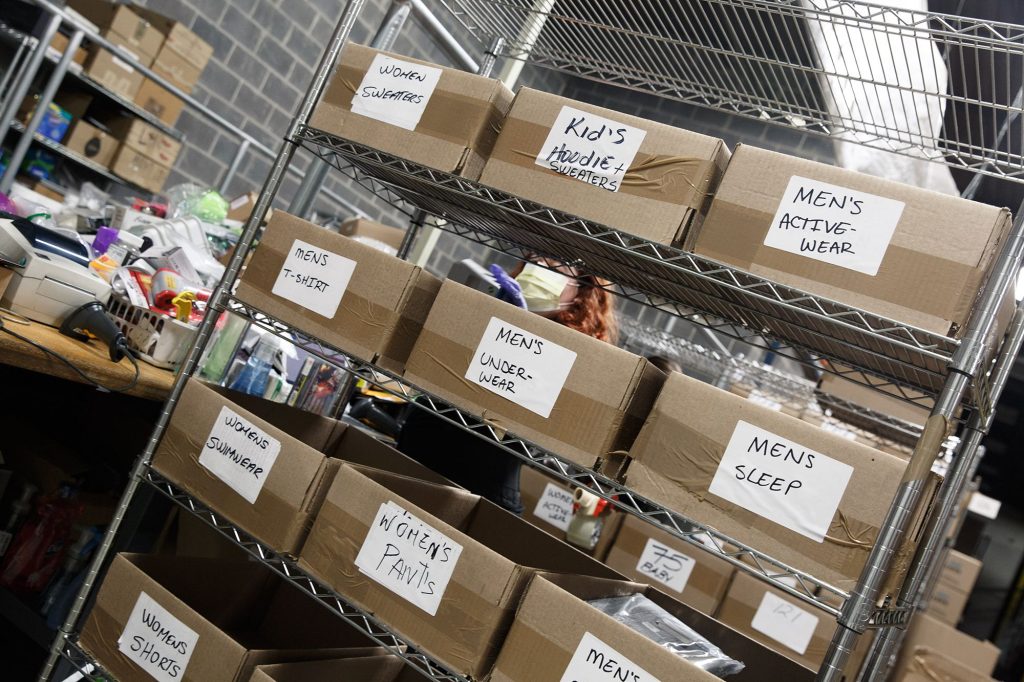 The environmental impact of retail, the online sales of clothing in particular, seems to be consistently underestimated. Between 22 to 44 percent of all returned clothing is never sold to a secondary consumer. These unused returned items have a big impact on the environment.
 Ecommerce in Spain amounted to over 84 billion euros last year, marking a 16.3 percent growth compared to 2022.
 The European online consumer electronics market is estimated at 90 billion euros in 2023 and expected to increase 19 per cent by 2025, reaching 107 billion euros. Retailers and C2C marketplaces selling used and refurbished electronics are driving this growth.
 German online platform Kaufland is collaborating with Consors Finanz, a provider of consumer loans and part of BNP Paribas Group.
 The Turkish Ministry of Commerce reports that online spending in Turkey more than doubled last year. Significant growth is expected again this year. This is largely the result of inflation, but there is also considerable autonomous growth.
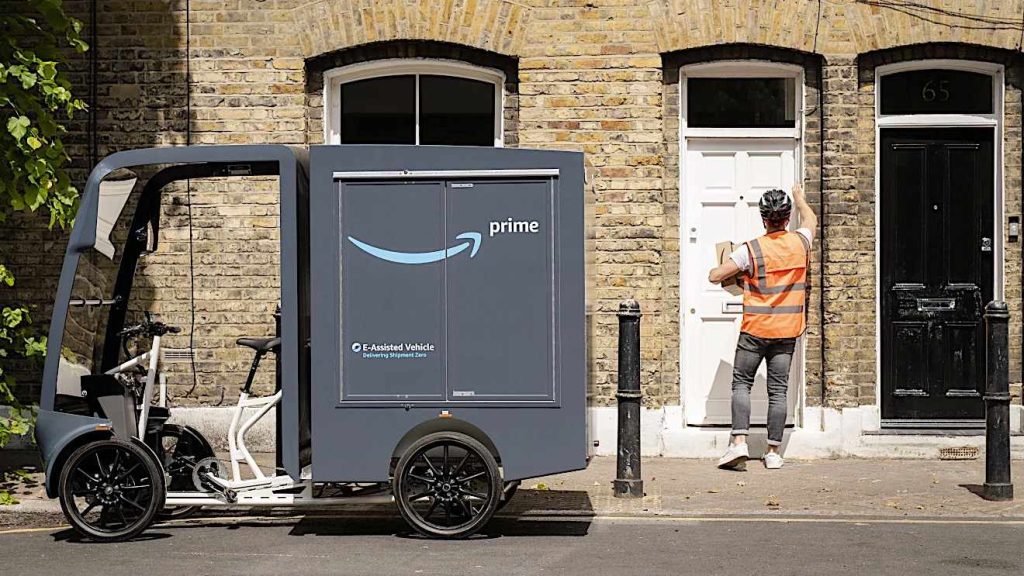 Step by step, Amazon is revamping its delivery network.